




Top Creative Gift Box Styles for Premium Brands
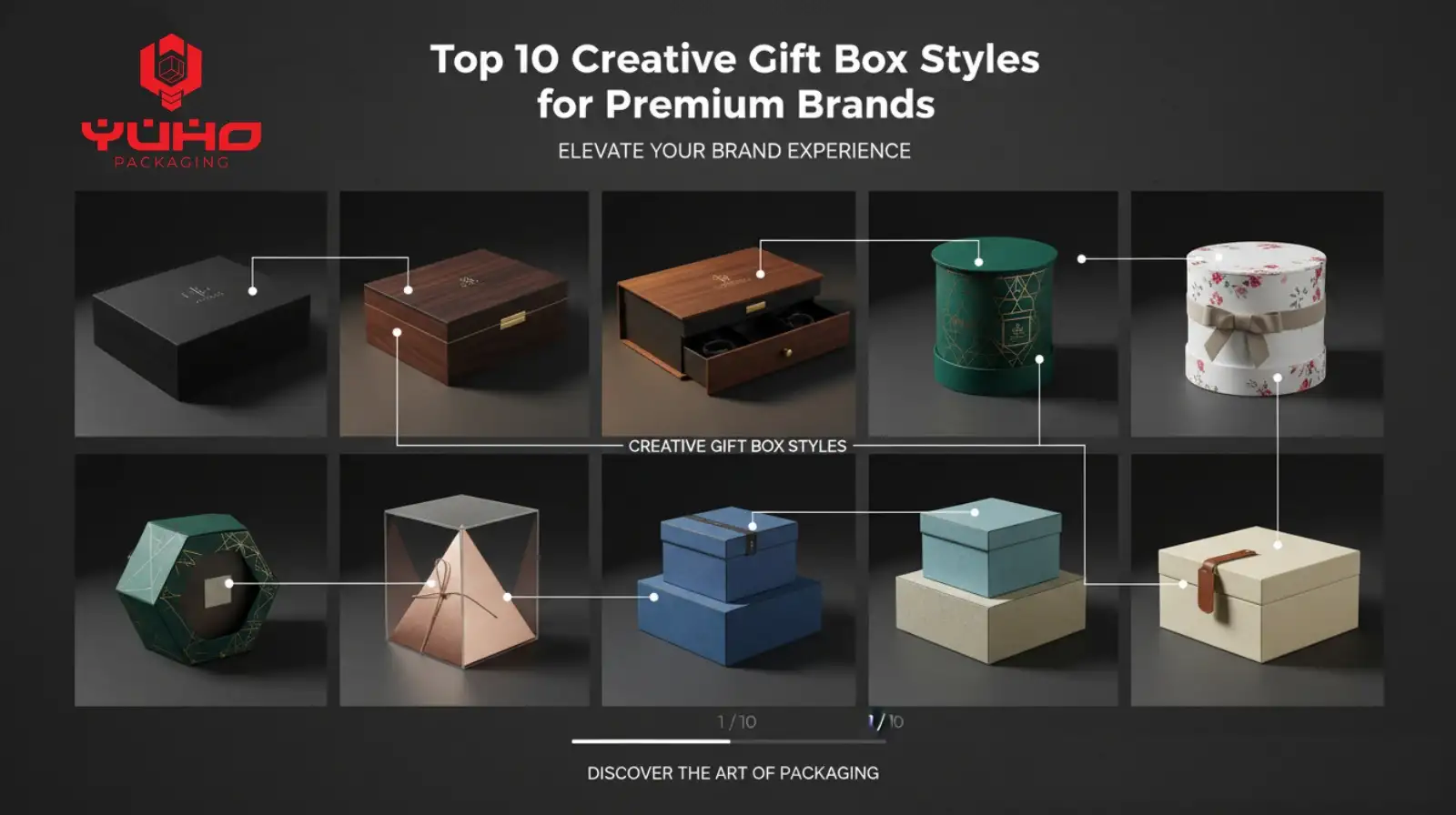
Premium products have gift boxes as their entry point. The brand's quality is expressed through the packaging even before the customer opens it. Designers of high-quality boxes enhance product perception and leave people with positive unboxing impressions.
In order to compete in the market, premium brands use unique packaging to create differentiation. This blog discusses ten creative gift box designs, which convey the messages of luxury and sophistication.
Magnetic Closure Boxes
Elegant Opening Experience
Magnetic closure boxes are effortless to break and open with a pleasant crack. The embedded, hidden magnets in the flaps create a secure seal that is not fastened. This is a clean design targeted at low-profile luxury brands.
Premium Feel
Quality comes with a huge weight and heavy construction. Customers will immediately notice the difference from standard packages. The process of closing itself gives the luxury experience.
Brand Applications
Magnetic boxes are widely used for high-end jewelry, watches, electronics, and cosmetics. The fashion is appropriate for products in which appearance has been as significant as the contents. This new, modern, sleek way is especially popular within technology brands.
Customization Options
Magnet boxes can have finishes like matte, gloss, soft-touch, and metal effects. There is an option for interior: velvet inserts or custom foam padding. This versatility enables total brand alignment.
Drawer-Style Boxes
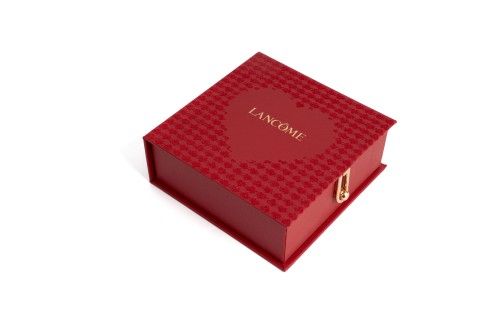
Unique Opening Mechanism
Drawer boxes slide horizontally, like furniture drawers. Around an outer sleeve, the inner tray slides out. This unique introduction brings in anticipation and perceived value.
Luxurious Presentation
The interior design is elaborate, with the two-piece building. Inside drawers may have several product arrangements. This logic structure appeals to consumers.
Suitable Products
Drawer boxes are great with gift sets, high-quality stationery, luxury chocolates, and cosmetic collections. The format is appropriate for products that would benefit from a presentation-style organization. Several pieces are beautifully exhibited in drawers.
Design Variations
The double-drawer designs feature two vertically sliding sections. Side-pull models are open to the side. The opening mechanism of the surprise reveals hidden drawer styles. All the variations have various experiences.
Rigid Two-Piece Boxes
Classic Luxury Style
Rigid boxes are two-piece boxes made of lids and bottoms. The lid is lifted, fully dramatically exposing the contents. This conventional design is eternal in high-end packaging.
Structural Strength
Delicate products are safely transported and stored in thick, rigid boards. The tough boxes can be put to additional use. Customers enjoy packaging that serves a purpose at the point of purchase.
Versatile Sizing
Products such as small jewelry and large gift sets fit in two-piece boxes. This style is viable across the product lines due to its scalability. Repetitive packaging helps build brand recognition.
Premium Finishing
Plain boxes are turned into artworks through deep embossing, foil stamping, and specialty papers. Inside, there are contrasting colors or textured materials that enhance presentation. The options for finishing are almost unlimited.
Book-Style Boxes
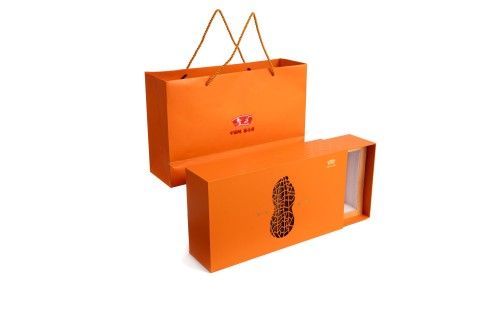
Storytelling Design
Book-style boxes resemble hardcover books, with spines and covers. Such a format is inherently appropriate to a brand that focuses on its heritage, art, or storytelling. The design makes the customers want to read the brand story.
Magnetic or Ribbon Closures
Magnetic strips firmly secure covers. Alternatively, grosgrain ribbons are a decorative closure. Both alternatives provide a great metaphor for the book.
Interior Possibilities
The inside pages may contain product details, brand history, or instructions. Products sit in die-cut foam or fabric-covered platforms. The multi-page concept is highly customizable.
Brand Storytelling
Book-style packaging is advantageous to luxury fashion brands, high-quality spirits, and craft products. The format presents depth and sophistication. Collectors usually keep boxes indefinitely.
Window Display Boxes
Product Visibility
There are clear windows that showcase products before the opening. Openings were die-cut with transparent film so that customers could preview. Such transparency gives trust without compromising package integrity.
Strategic Placement
The placement of the windows should be considered. It should open with the products' best features, without disrupting the structure. The shapes are shown as circles, rectangles, or bespoke die-cuts in brand elements.
Material Choices
Acetate windows are durable and precise. Environmentally conscious brands have Biodegradable cellulose alternatives. The message of sustainability and appearance is dependent on the material choice.
Application Examples
Windowed boxes are used on baked goods, cosmetics, toys, and craft products. This style is appropriate for any product that enjoys the visual appeal at the point of purchase. The transparent feature minimizes buying resistance.
Collapsible Flat-Pack Boxes
Shipping Efficiency
Flat-pack boxes are delivered and stored in a collapsed state, saving on storage space and transportation costs. They are assembled with a tool and are tape-free. This performance attracts brands that are between luxury and the viability of operations.
Surprising Rigidity
Although the boxes are folded into a flat shape, they surprisingly form when folded. Quality construction produces stability that can rival that of non-collapsible structures. The customers are impressed with the engineering of simple assembly.
Environmental Benefits
Less shipping volume translates to low carbon footprints. Customers enjoy environmentally friendly packaging options. The saving of space will also translate into a reduction of the environmental impact.
Assembly Experience
A good flat-pack box has a lovely and easy assembly process. Some brands involve the assembly process during unboxing. Detailed instructions make it frustration-free.
Sleeve and Tray Boxes
Layered Reveal
Outside sleeves slip down, displaying inner shelves with products. The anticipation arises from this two-step opening. The layer approach produces additional touchpoints with the customers.
Design Freedom
Sleeves may contain vivid prints, although the trays will be plain. These contrasts achieve this visuality. Instead, innovative patterns keep the brands the same.
Practical Protection
The outer sleeve serves to shield the inner tray in the process. Shipping and displaying of products keep them clean. Damage is avoided through the use of the double-wall construction.
Premium Variations
Partially sleeved sections reveal bits of inner trays to have visual stimulus. Visibility and protection have been achieved using windowed sleeves. The experience is given dimensions of texture through sleeves.
Custom Boxes and Hexagonal Boxes
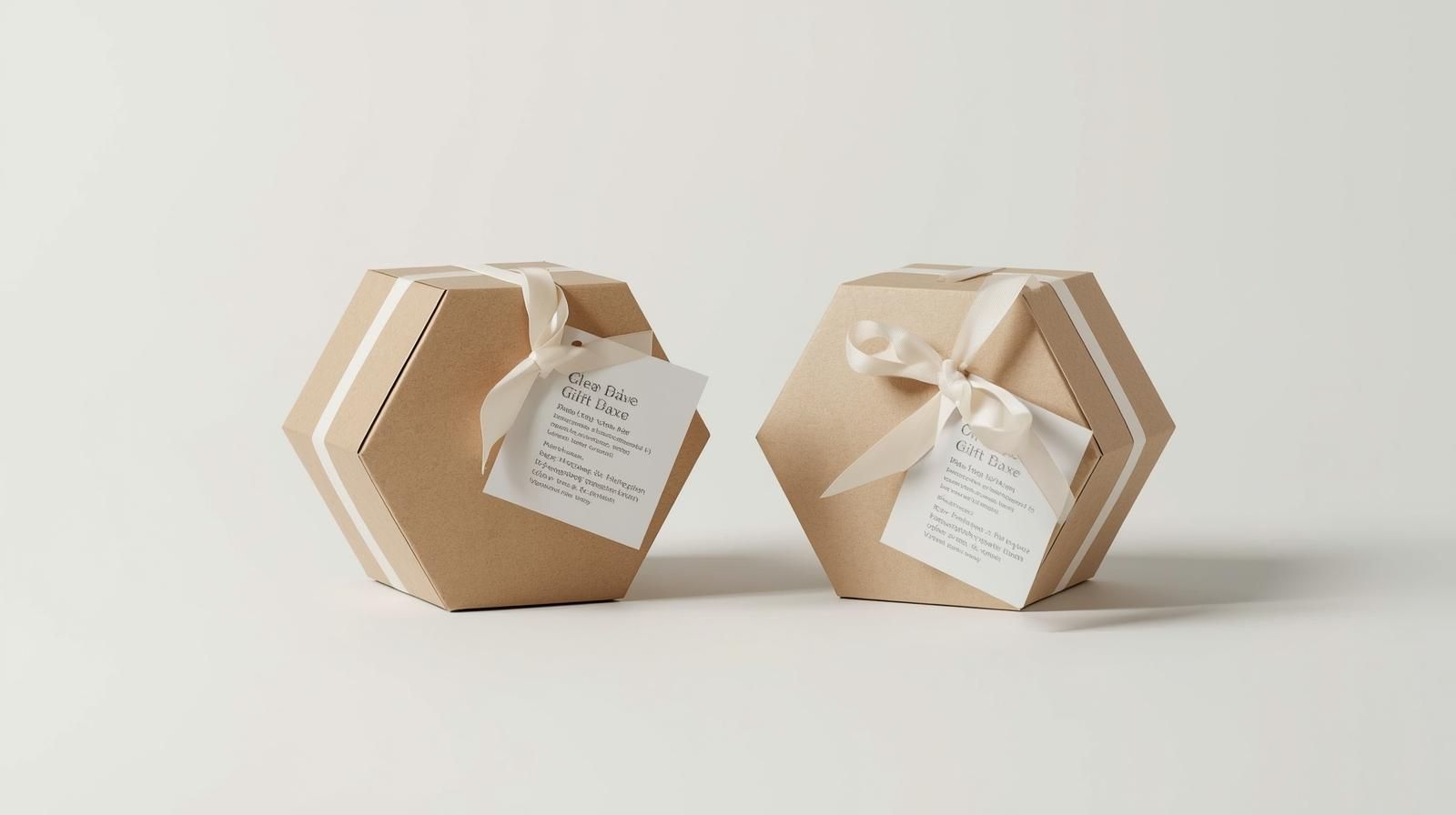
Standing Out
Products on shelves are distinguished by their non-rectangular boxes. Hexagons and octagons make memorable impressions along with circles. Innovative and creative forms are conveyed through unique shapes.
Engineering Challenges
Special shapes need special production and assembly. The investment expresses the brand's commitment to excellence. Customers would be aware of the additional effort put in.
Product Positioning
Irrational forms are especially effective for seasonal pieces, special issues, and luxury items. Its packaging is unique enough to warrant a high price. Special shapes are especially advantageous to limited editions.
Structural Considerations
The custom shapes need the ability to maintain structural integrity even with non-traditional geometry. Good engineering practices ensure the shapes resist crushing during handling. Good producers are conscious of such requirements.
Nested Box Sets
Multiple Size Options
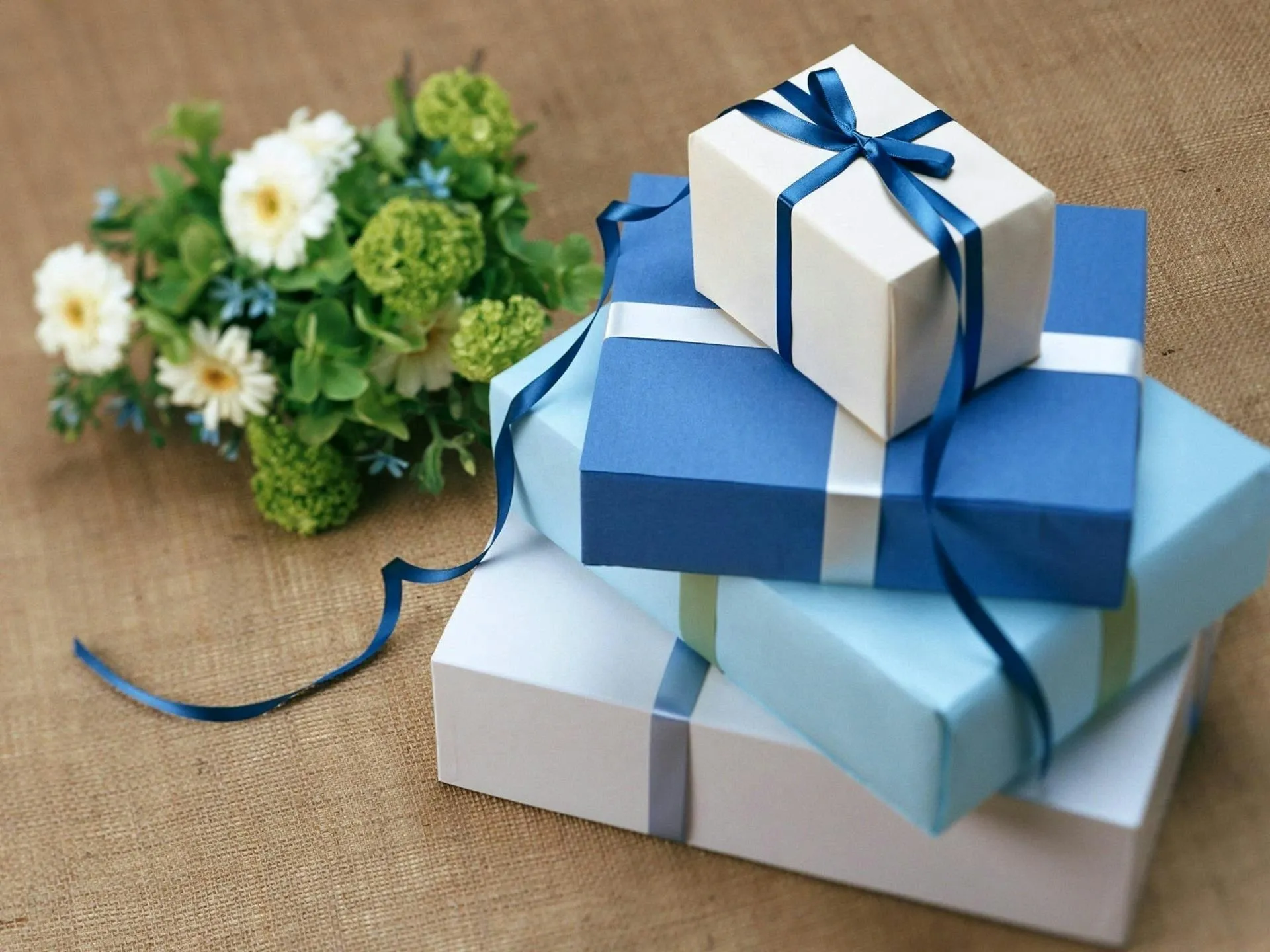
The nested sets have a number of boxes inside. The largest has the next smaller size forming a complete set. This functional design possesses gift-giving and its own attractiveness.
Decorative Display
Graded sizes pile up nicely for the retail or house displays. Clients like to design nested collections ornamentally. Adaptability is not limited to product packaging.
Reusability Factor
Nested boxes have unlimited uses, whether for organization or storage. Customers have valued well-manufactured sets for decades. This durability ensures that brands remain present in homes in the long run.
Gift Set Appeal
Nested packaging would be helpful in holiday collections, tea assortments, and product samplers. The presentation implicates surplus and worth. Single purchases are transformed into gift solutions on their own.
Green Environmentally Friendly Boxes
Material Innovations
Beautiful boxes are made out of kraft paper, bamboo fiber, and sugarcane board. Such materials can be printed and finished using methods similar to those for traditional materials. Sustainability no longer demands aesthetic sacrifices.
Messaging Integration
Environmentally protective packaging reinforces the brand's values in their proper form. Customers enjoy consistent product quality and environmental ethics. The package forms a part of the brand story.
Market Demand
Sustainability is essential to younger consumers. Premium positioning and environmental responsibility are complementary. Forward-thinking brands can adopt both priorities.
Choosing the Right Style
Brand Identity Alignment
The central brand values and positioning should be reflected in packaging. Conventional brands use classic designs, whereas new companies use modern designs. Unity in touchpoints enhances brand awareness.
Product Requirements
Delicate products should be wrapped up, no matter how beautiful the wrapping is. Structural reinforcement should be made on heavy products. This is because practical considerations guide style selection.
Target Audience
The style is based on understanding customer preferences. Younger populations are more drawn to current designs, whereas older groups are more drawn to classic beauty. Research eliminates costly mistakes.
Budget Considerations
Complex structures are more expensive than simple structures. Striking a balance between dreams and budgets. There are cases when simple boxes with good finishing are better than fancy designs with poor performance.
Production Considerations
Minimum Order Quantities
Custom packaging involves minimum orders of thousands. Small brands might have to start with something basic and move up. A well-planned production run will enable cash flow management.
Lead Times
Personalized boxes require 4 to 12 weeks after design to shipment. Rush jobs are much more expensive. Preparation saves time and additional costs.
Quality Control
Pre-production sampling will avoid expensive errors. Test boxes ensure compliance with specifications. Quality manufacturers do not resist rigorous testing.
Finishing Techniques
Printing Methods
Large runs are of excellent quality when printed offset. Smaller amounts are more cost-effective using digital printing. UV printing produces special effects and wear.
Special Effects
Foil stamping, embossing, debossing, and spot UV texture are developed. These methods increase perceived value to a considerable extent. The use of strategies maximizes impact.
Protective Coatings
Surface protection is provided by matte, gloss, or soft-touch lamination, which adds a feel to the surface. All finishes produce dissimilar impressions. Experiments help identify the best options.
Conclusion
Considering brand perception and customer experience, creative presentation styles influence the design of luxury gift boxes. Choosing the right styles involves the knowledge of brand identity, product requirements, and customer preferences.
Quality packaging offers value as high-quality brands that want to stand on their own, evoke lasting experiences, and merit their high prices in competitive markets.